

Prepare for warehouse temperature mapping in Dubai with a practical checklist covering storage limits, layouts, data loggers, operations and study reports.
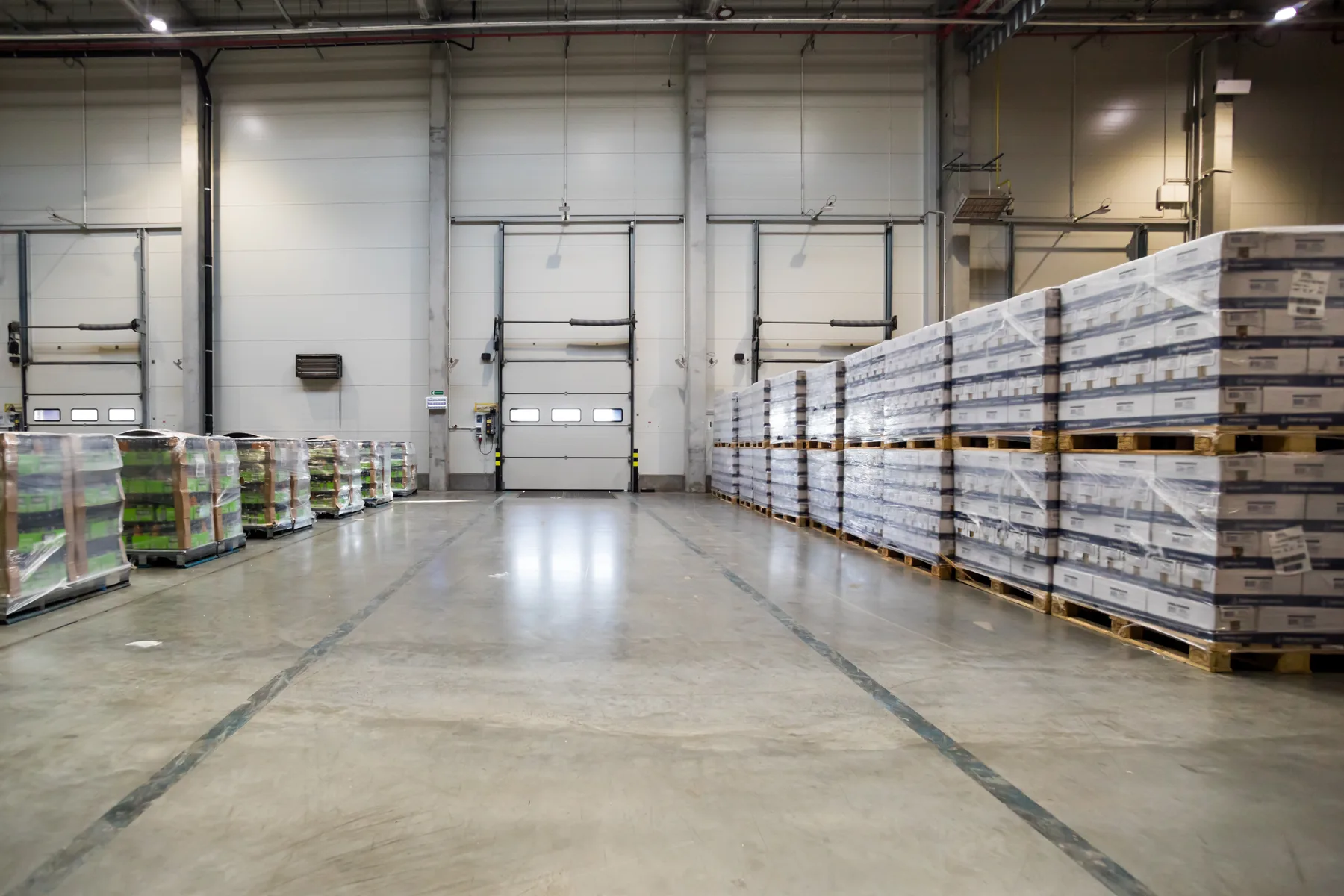
Preparing for warehouse temperature mapping in Dubai starts before the first data logger is installed. The useful questions are practical: which products will the area hold, where will they sit, and what happens during a normal working week? A clear brief helps the study reflect the warehouse you actually operate. Use this checklist to organise the information, people and access needed for a mapping study, whether you are commissioning a new space or reviewing an existing temperature-controlled warehouse.
1. Define the products and their storage limits
Start with a list of the product groups and the conditions each needs. A warehouse described simply as “temperature controlled” may contain several areas with different purposes. Make it clear which areas are intended for finished goods, temporary holding, returns or quarantine.
Ask the person responsible for product quality to confirm the acceptance criteria before the study starts. A thermostat setting is a control instruction; it does not establish the permitted storage conditions for every product. If humidity is relevant, decide whether it also belongs in the study scope.
- Prepare the applicable product storage instructions and customer specifications.
- Identify separate temperature zones and any restrictions on their use.
- Name the person who can approve the criteria and resolve questions about them.
2. Update the layout and actual storage heights
Give the mapping provider an up-to-date drawing with dimensions, rack positions and the highest level where products will be stored. Include working aisles and the locations of loading doors, cooling equipment, air outlets and returns. Mark areas awaiting fit-out or changes so the team can distinguish the current arrangement from the intended one.
Take a short walk through the facility with the drawing in hand. A relocated partition, newly enclosed area or changed rack layout can make an old plan misleading. For a Dubai warehouse with frequent loading activity, describe how the loading area connects to the controlled storage space rather than assuming they behave as one zone.
3. Collect the operating and maintenance history
Create a small preparation folder instead of sending scattered attachments on installation day. Include recent temperature records, known recurring alarms, maintenance notes and a summary of changes since the previous assessment. Explain unusual events rather than removing them from the history.
Tell the provider about planned refrigeration work, changed setpoints, new racking or a different stock profile. Decide whether these changes should happen before the study or form part of a later assessment. If a fault is already known, agree how it will be addressed so everyone understands the condition being evaluated.
- Current layout, operating schedule and equipment identifiers.
- Previous mapping reports and actions that remain open, where available.
- Recent monitoring trends and relevant maintenance or change records.
4. Agree the study plan before booking the dates
Confirm why the study is being performed and what decisions its results need to support. A new warehouse, a rearranged storage area and an investigation into an unexplained warm location may need different plans. Ask for the scope, responsibilities and acceptance criteria to be documented and approved before recording begins.
Agree the loading condition and how representative operations will be captured. WHO pharmaceutical storage guidance discusses empty and normally loaded conditions. Its typical ambient warehouse example covers at least seven consecutive days, including working and weekend periods; the appropriate duration depends on the facility and the approved study design.
Discuss seasonal exposure when choosing dates. A study during Dubai’s cooler months should have a clear place in the overall assessment where summer conditions could affect the area.
5. Confirm the data loggers and location records
Ask how the proposed devices suit the temperature range and planned recording period. Confirm that calibration records identify the devices being used and cover the relevant operating range. The team should also be able to retrieve and relate the readings to their locations afterwards.
Review the proposed placement plan with the provider. The count and positions should reflect the space, storage heights, airflow and identified risks. Agree how each logger will be labelled and its position recorded. A clear link between a device, rack position and height makes the final findings easier for warehouse staff to use.
- Confirm calibration documentation, device identifiers and recording settings.
- Arrange access to the required heights and positions.
- Agree secure placement that will allow normal warehouse work to continue.
6. Plan representative operations and event records
Share the real working pattern: receiving peaks, picking shifts, dispatch times, door activity and quieter periods. Explain how stock levels change and whether cooling equipment has scheduled operating or defrost cycles. These details help the team choose a recording period that answers the agreed questions.
Decide who will keep a simple event record during the study. Useful entries include the time and location of an unusual door opening, equipment interruption, maintenance visit or change in activity. An event record gives the reviewer context when a temperature trace changes.
If door-opening, recovery or power-failure challenges are needed, agree them separately in the protocol with the responsible team. Plan suitable stock protection and authorisation before any deliberate interruption.

7. Brief the people who use the warehouse
Nominate one site contact and a backup, then brief the shifts that will be present. Show staff where temporary loggers will be installed and who to contact if a device is disturbed. Include cleaning, security and maintenance teams where their work could affect the study.
Arrange visitor access, induction and any equipment needed to reach installation positions. Confirm the collection visit as well as installation. Keep usual operating procedures in place, and ask staff to report unusual events promptly. The aim is a coordinated study with enough operational context to interpret the results.
8. Agree the report and follow-up responsibilities
Before the study, confirm what the handover will include and who will review it. Ask for findings that connect temperatures to identifiable locations, alongside the study conditions and any departures from the plan. Decide how questions and follow-up actions will be closed.
Make time for a review with operations and quality staff. The useful outcome is a set of decisions: where products may be stored, whether anything needs changing and where ongoing monitoring should be positioned. MHRA guidance highlights the use of mapping findings to select permanent monitoring locations and assess areas with temperature extremes.
- Confirm the agreed report, location plan and supporting records.
- Assign owners and dates to actions arising from the findings.
- Record changes to storage instructions and monitoring positions.
- Agree whether corrective work needs verification or further mapping.
How long does warehouse temperature mapping take?
Allow time for preparation, installation, recording, collection and review. The recording period should capture the relevant operating pattern. Confirm its rationale with the provider rather than assuming every warehouse or cold room needs the same duration. Report preparation and any follow-up work should also be included in your schedule.
How many data loggers does a warehouse need?
There is no useful universal count for every warehouse. Ask the provider to explain the proposed coverage using the layout, working storage height and temperature risks. A quote that states only a logger quantity leaves an important question unanswered: which parts of your storage space will the study actually assess?
Can the warehouse keep operating during the study?
Representative operating conditions may be part of the agreed scope, but access, loading arrangements and any special tests need planning. Tell the provider about work that cannot be interrupted. Confirm practical arrangements before booking, including how staff will record events and what to do if a logger is moved.
Does mapping replace continuous temperature monitoring?
Mapping examines temperature distribution across a defined space during a study. Routine monitoring tracks selected locations during continuing operation and supports responses to changing conditions. Use the mapping findings when reviewing monitoring positions, then maintain the agreed monitoring and response procedures as the warehouse operates.
When should an existing mapping study be reviewed?
Review its relevance after significant changes to the storage arrangement or temperature-control system, or when monitoring reveals unexplained variation. Periodic review and repeat-study timing should follow documented risk assessment and applicable requirements. Keep the reasons for the decision with the facility records so future reviewers can understand the approach.
Plan your warehouse mapping study with Celsius
For warehouse temperature mapping in Dubai, share your layout, product storage conditions and planned operating dates with Celsius Cold Chain. These details give the team a useful starting point for discussing scope, site preparation and the evidence you need. If you are new to the subject, our thermal mapping overview explains the wider role of mapping and qualification.
Technical references
The WHO and MHRA references below concern pharmaceutical storage and provide technical context for study planning. Apply the guidance relevant to your products and facility when agreeing the protocol.
Key takeaway
A useful mapping study starts with clear product limits, an accurate layout and an agreed view of normal warehouse operations. Prepare those details early, coordinate the people involved and plan how the findings will guide storage, corrective actions and ongoing monitoring.