

Thermal mapping & qualification
Thermal mapping & qualification
Understand your conditions. Support product integrity.
Temperature can vary across a warehouse, cold room, refrigerator, or freezer. Thermal mapping measures those differences over a defined study, helping identify temperature variations, assess environmental uniformity, and establish suitable locations for routine monitoring. Temperature and humidity studies can be scoped around laboratories, manufacturing facilities, and other controlled environments.
Celsius Smart Technical Services LLC provides thermal mapping and validation services in accordance with applicable WHO guidelines and Good Distribution Practice (GDP) principles. Our team connects the assessment with your product requirements, system specifications, and intended use to support the quality and integrity of stored products.
- Temperature distribution & stability
- Installation, operation & performance qualification
- Evidence to inform ongoing monitoring
Qualification explained
Verify the installation. Assess the performance.
After the installation of refrigeration and controlled-environment systems, qualification activities assess whether the installation, operation, and performance meet the requirements established for the system.
Celsius performs installation, operational, and performance qualification activities as applicable to the agreed project. Thermal mapping provides evidence of temperature distribution and stability within the environment being assessed.
Installation Qualification (IQ)
Verification that equipment and systems are installed in accordance with approved specifications and requirements.
Operational Qualification (OQ)
Verification that the system operates as intended under defined operating conditions.
Performance Qualification (PQ)
Evaluation of system performance under actual or representative operating conditions, including assessment of temperature distribution and stability.
Controlled storage environments
A study shaped around the space and its use.
The assessment reflects the products, required conditions, equipment, and operating patterns of each environment. Study requirements are agreed for the individual project.
Warehouses & cold rooms
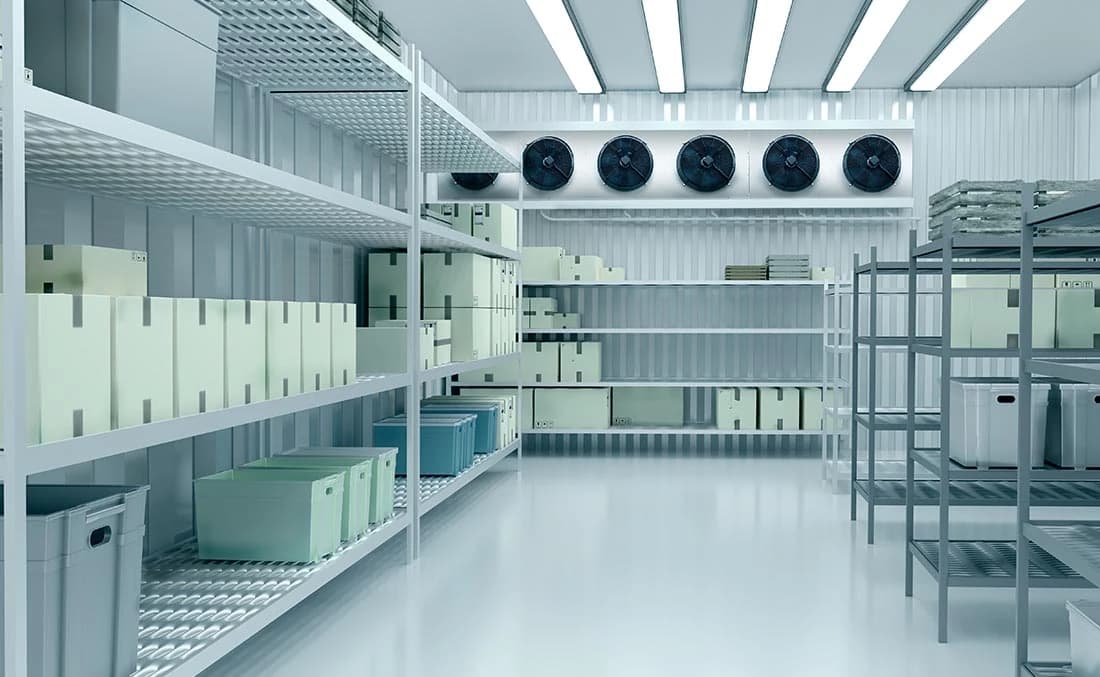
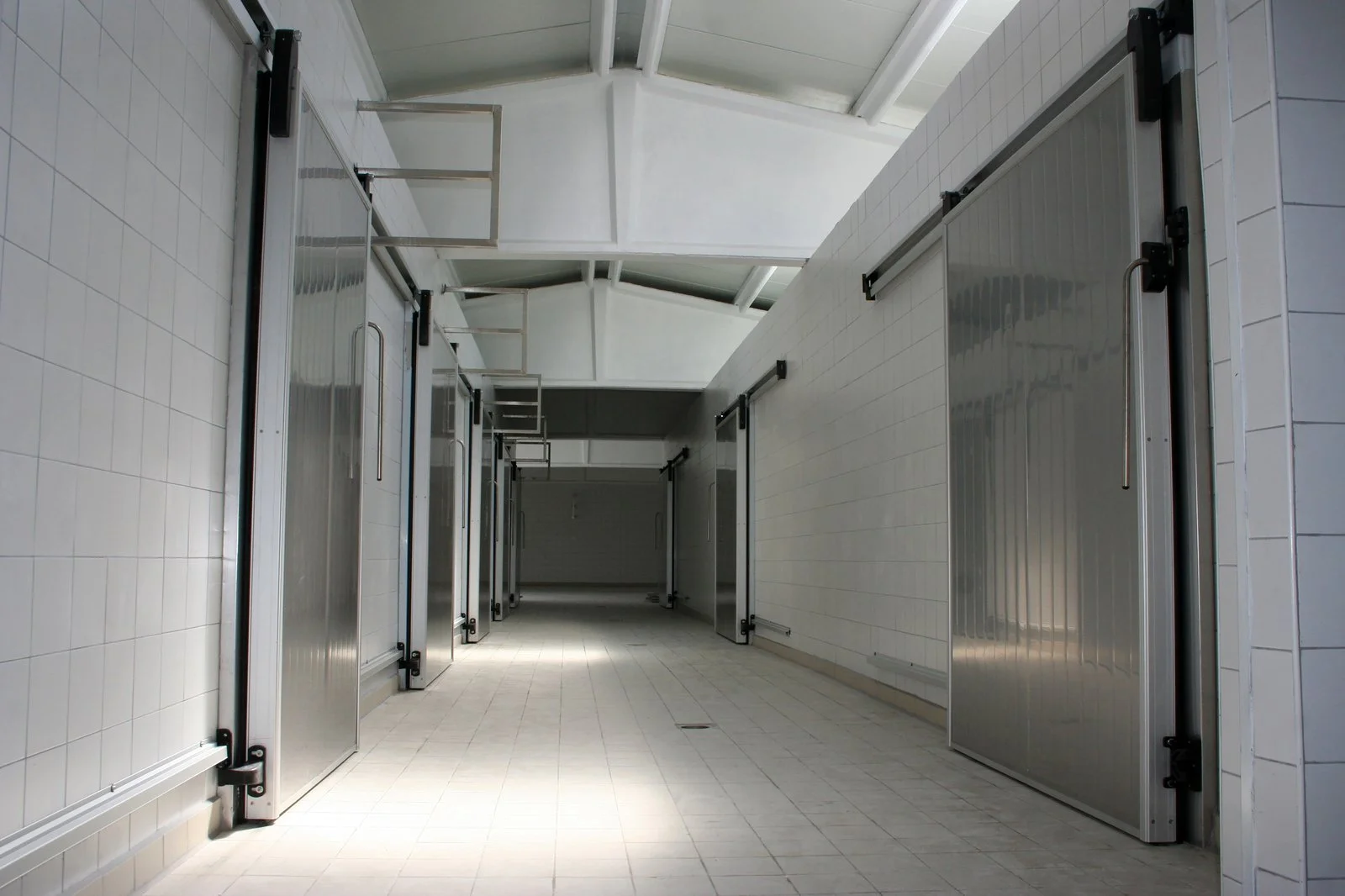
Assess temperature distribution across storage zones, racks, and aisles. The findings help identify warmer and cooler locations and support decisions about storage arrangements and routine monitoring points.
Refrigerators & freezers
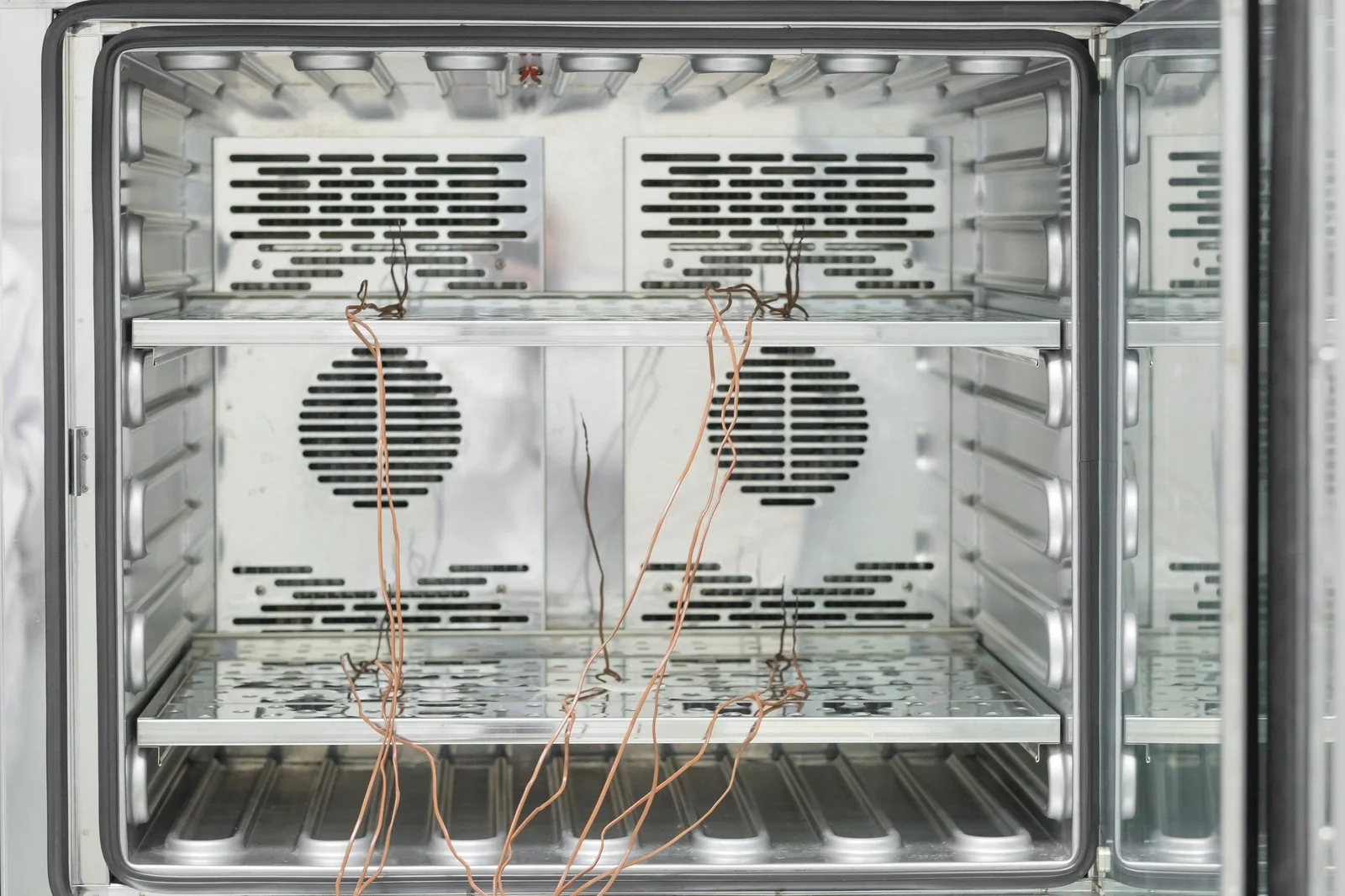
Evaluate the conditions within equipment used for temperature-sensitive pharmaceutical, life sciences, and food products. Qualification and mapping relate equipment performance to defined requirements and its intended storage use.

Transport validation studies
Assess temperature conditions during defined reefer routes and last-mile handling to support transport validation. Agree the route profile, operating conditions, acceptance requirements, and relevant procedures around the products and transport lane being assessed.
Our approach
Clear requirements. Relevant evidence.
We agree the qualification and mapping scope before work begins, connecting the assessment with your system, product requirements, and operating conditions.
Define the requirements
Review the intended use, product storage requirements, system specifications, and available documentation. Establish the areas and qualification activities to include in the project.
Agree the assessment
Plan calibrated logger locations across the space and relevant heights, including racks, pallet areas, doors, vents, and cooling equipment. Agree representative loading, door-opening patterns, worst-case conditions, and any seasonal studies needed for the project.
Qualify, map & review
Complete the agreed qualification activities and collect environmental readings at the planned locations. Analyse the recorded data for temperature distribution, stability, patterns, and deviations under the defined operating conditions.
Report & plan monitoring
Explain the findings against the agreed requirements. Use the mapping results to discuss suitable monitoring locations, operational considerations, and any follow-up assessment your team needs.

From assessment to daily control
Put the findings to work.
Qualification and mapping findings give your facilities and quality teams a shared record of the assessed system and its conditions. The documentation connects the agreed requirements with observations and results, supporting informed decisions about the controlled environment.
Following installation, qualification, and thermal mapping, Celsius can provide continuous temperature and humidity monitoring. The findings help inform monitoring locations, while routine records and configured alerts support ongoing environmental oversight.
- The agreed study protocol and qualification or mapping records
- An analysis of temperature distribution, stability, and variations
- Sensor calibration records, raw data, and suitable monitoring locations
- Findings, recommendations, and follow-up or CAPA considerations
A few useful answers
Your questions. Answered.
A few useful things to know before discussing your requirements with our team.
How do thermal mapping and continuous monitoring work together?
Thermal mapping assesses how conditions vary across an environment during a defined study. Continuous monitoring tracks temperature and humidity during daily operation. Mapping findings help establish suitable monitoring locations, and ongoing records and alerts help your team identify changes that require attention.
What information is needed to plan qualification and mapping?
Share the facility layout, equipment and system specifications, required product storage conditions, and the intended use of the environment. Available installation documents, operating procedures, monitoring records, and known concerns help us agree the relevant IQ, OQ, PQ, and mapping scope.
Which guidelines inform Celsius thermal mapping services?
Celsius provides thermal mapping and validation services in accordance with applicable WHO guidelines and GDP principles. The specific qualification activities, study conditions, and acceptance requirements are established for the system and its intended use as part of the agreed project.
When should mapping and qualification be reviewed?
Changes to facility layouts, equipment, or systems can affect the conditions being assessed. Celsius can discuss periodic requalification, mapping after modifications, and seasonal studies around your facility and its intended use. The assessment scope and timing are agreed for the individual project.