

Real-time environmental monitoring
Real-time environmental monitoring
See changing conditions. Keep your team informed.
The conditions around sensitive products can change between routine checks. Continuous temperature and humidity monitoring gives your team a record of daily conditions and configured notifications when readings require attention, helping connect environmental information with the people responsible for responding.
Celsius Smart Technical Services LLC provides monitoring solutions for pharmaceutical warehouses, cold rooms, refrigerators, freezers, and other controlled environments in the UAE. Our offering includes DicksonOne from the USA, with email, SMS, and telephone alerts available subject to the selected system and configuration.
- Continuous temperature & humidity records
- Monitoring locations informed by thermal mapping
- Alerts configured around your requirements
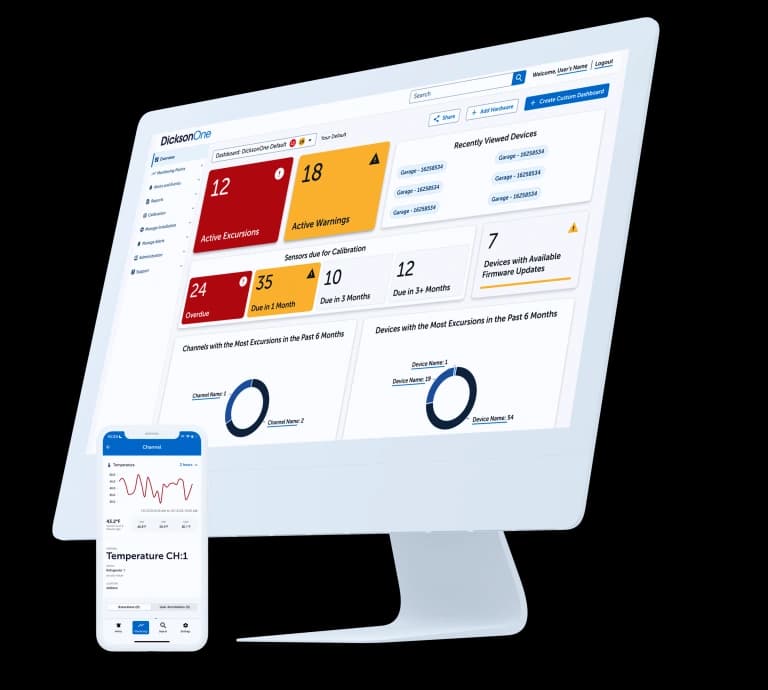
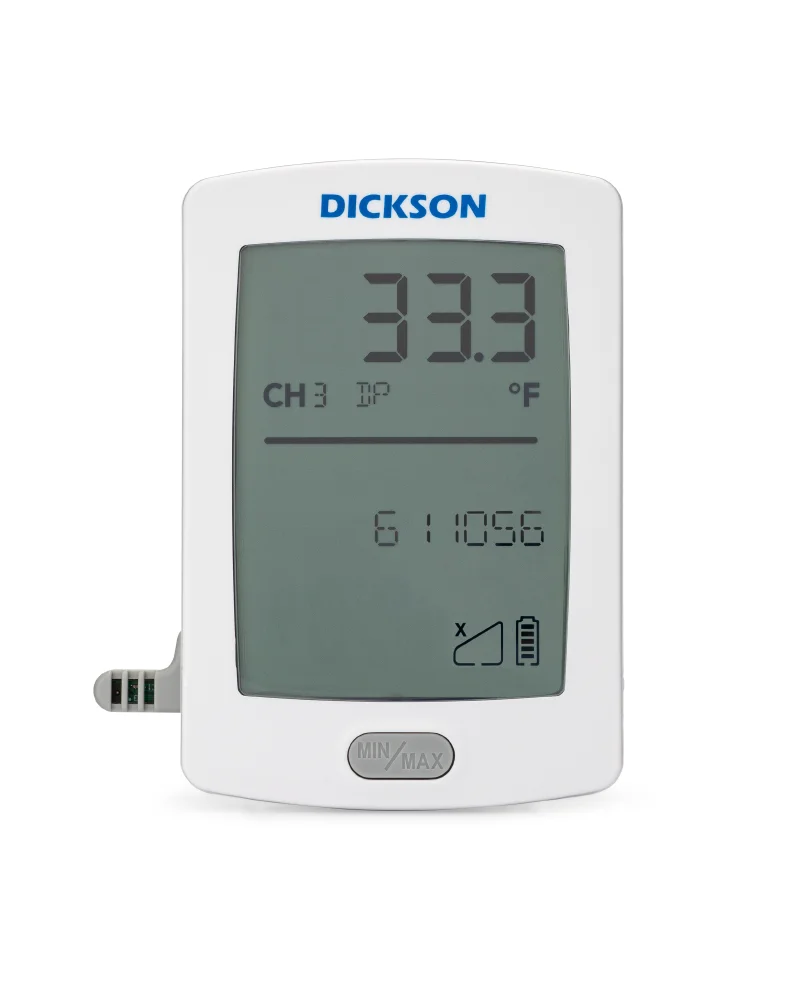
From readings to response
Connect the environment. Support daily decisions.
An effective monitoring arrangement starts with the conditions your products require and the locations that need oversight. Thermal mapping helps identify environmental variations and suitable monitoring points, while continuous readings show what happens at those locations during normal operation.
Celsius helps align monitoring equipment and configuration with your facility, operating requirements, and review procedures. Your team defines the relevant limits and response responsibilities, with system capabilities and notification channels considered as part of the agreed solution.
Relevant monitoring points
Consider the layout, stored products, and available mapping findings when deciding where to monitor temperature and humidity.
Configured notifications
Discuss alert limits, recipients, and the email, SMS, or telephone notification options supported by the selected configuration.
Records for review
Use environmental records and available reporting features to review conditions, investigate changes, and support your internal quality procedures.
Visibility across your facility
Monitor the spaces your products depend on.
The monitoring arrangement reflects the storage environment, required parameters, equipment, and people who need access to the information.

Warehouses & distribution areas
Track conditions at agreed locations across controlled storage and handling areas. Monitoring records help quality and operations teams review environmental changes alongside daily warehouse activity.
Cold rooms & chiller rooms
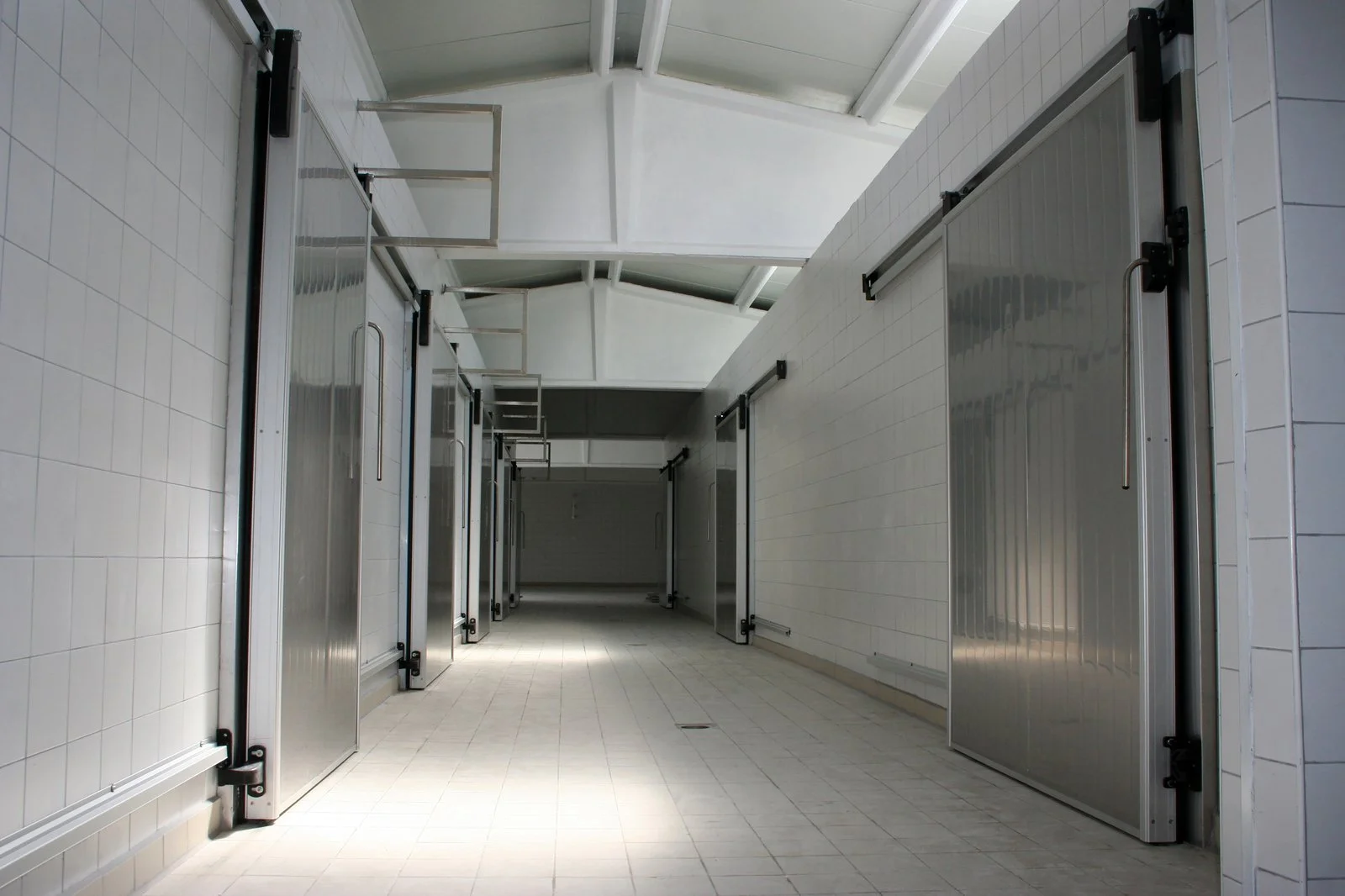
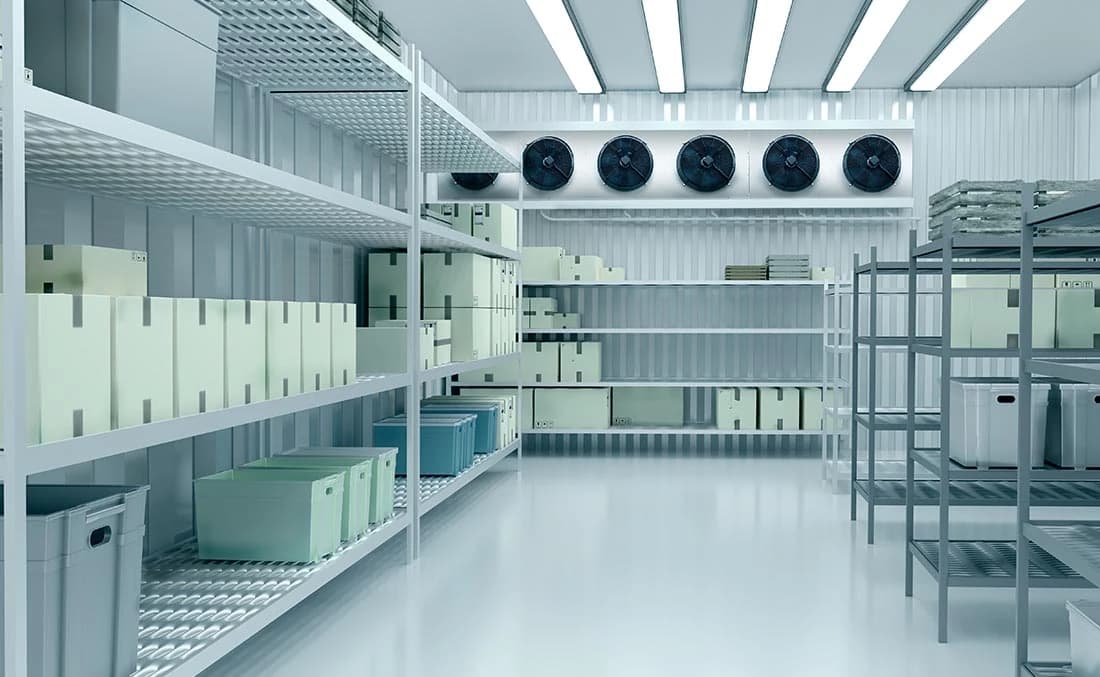
Maintain visibility of conditions within refrigerated storage. Connect monitoring locations with mapping findings and configure alerts around the temperature and humidity requirements relevant to the stored products.
Refrigerators & freezers
Bring individual storage equipment into your environmental oversight approach. Discuss suitable devices, measurement requirements, and notification arrangements for pharmaceutical, life sciences, and other sensitive materials.
Our approach
Define the need. Connect the information.
We connect your monitoring requirements with suitable equipment, locations, and configuration so the system supports the way your team manages the environment.
Review the environment
Discuss product storage requirements, facility layout, existing equipment, mapping findings, and current monitoring practices. Identify the temperature and humidity measurements needed.
Agree the system
Review suitable monitoring devices, proposed locations, system access, and site connectivity requirements. Confirm the available record, reporting, and alert features for the selected solution.
Install & configure
Set up the agreed monitoring arrangement and configuration. Establish the relevant locations, limits, and notification recipients with your team, and review operation within the project scope.
Review & maintain oversight
Discuss how responsible users will review readings and respond to notifications. Consider ongoing calibration, changes to storage layouts, and any further mapping or system review required.

Information for daily operation
Make environmental records useful.
Monitoring brings the agreed measurement points into a consistent view of your controlled environment. The selected system provides environmental records and configured notifications that your facilities and quality teams can use within their review and response procedures.
Celsius can connect continuous monitoring with refrigeration support, qualification, thermal mapping, and calibration. When the space, products, or operating conditions change, these related services help your team review whether the monitoring arrangement still reflects its intended use.
- Monitoring equipment and locations agreed for your environment
- Temperature and humidity records from the selected system
- Configured alert channels and nominated recipients
- A basis for ongoing record review and technical follow-up
A few useful answers
Your questions. Answered.
A few useful things to know before discussing your requirements with our team.
How will our team receive environmental alerts?
Email, SMS, and telephone alerts are available subject to the selected monitoring solution and its configuration. We discuss the required limits, nominated recipients, and supported notification options with your team before agreeing the system. Your internal procedures establish who reviews and responds to each alert.
Why are thermal mapping results useful when planning monitoring?
Thermal mapping assesses how temperature varies across an environment during a defined study. Its findings help identify suitable locations for routine monitoring. Continuous monitoring then records conditions at the selected points during daily operation, providing information that complements the mapping assessment.
What should we share when discussing a monitoring system?
Share the facility layout, storage equipment, product requirements, parameters to monitor, available mapping results, and existing monitoring arrangements. Tell us who needs access to records and alerts, any relevant site connectivity constraints, and your reporting or electronic record requirements so we can discuss a suitable configuration.