

ISO/IEC 17025 Calibration services
Temperature & humidity calibration
Understand your measurements. Support confident decisions.
Temperature and humidity readings inform decisions about controlled storage, environmental monitoring, and product handling. Calibration helps your team understand the performance of the measurement equipment behind those readings and review its suitability for the conditions being measured.
Celsius Smart Technical Services LLC offers ISO/IEC 17025 EIAC Accredited Calibration services for temperature and humidity measurement equipment used in controlled environments. We review your instruments, required measurement points, and documentation needs to confirm the applicable service and accreditation scope before work begins.
- Temperature & humidity measurement equipment
- Calibration requirements matched to intended use
- Instrument coverage and accredited scope confirmed
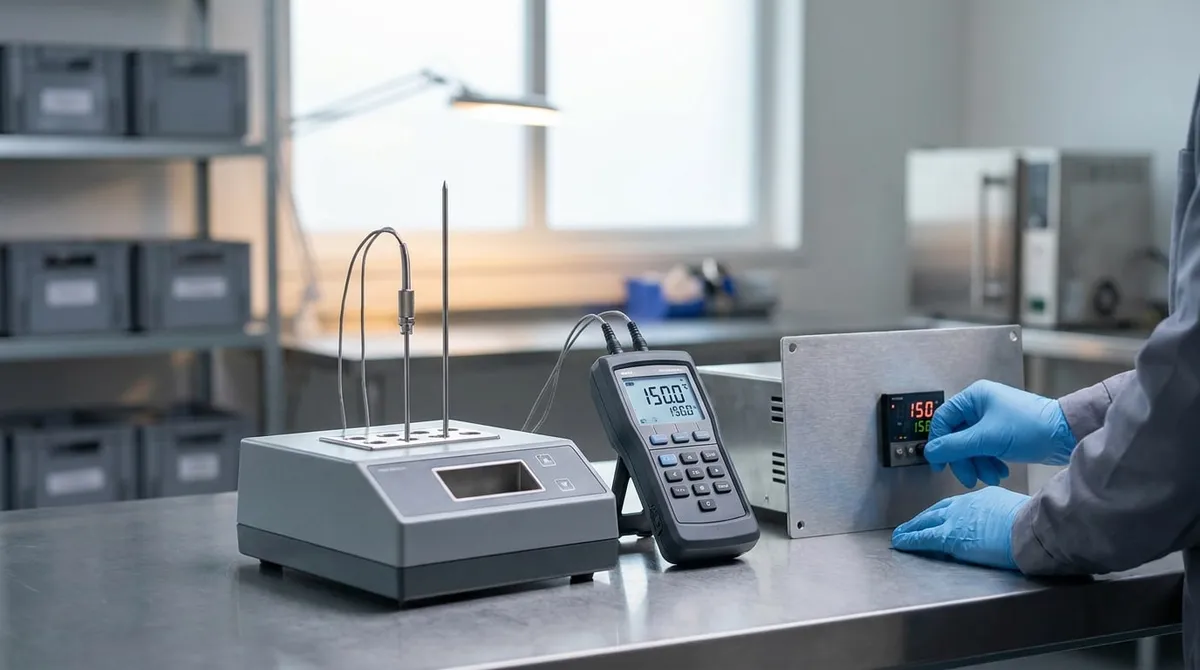
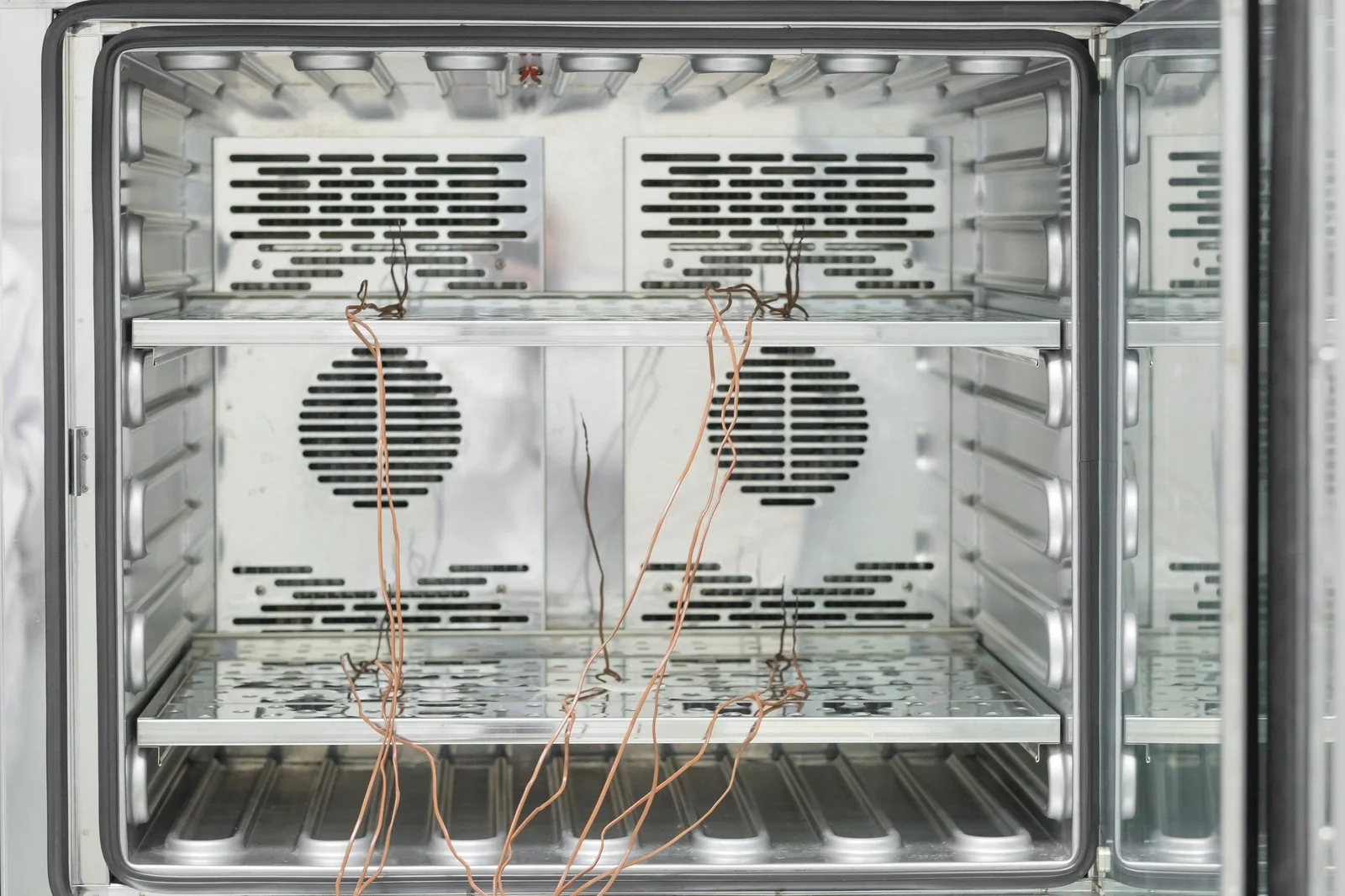
Measurement performance
Review the instrument. Understand the results.
A reading is most useful when you understand how the instrument performs over the conditions relevant to your operation. Calibration compares measurement results with a reference at agreed points, providing information your team can assess against its own measurement requirements.
The calibration request should reflect the equipment, operating range, and intended use. Celsius helps establish those requirements and the applicable accredited coverage, so the resulting documentation can be reviewed alongside your monitoring, maintenance, and quality records.
Instrument & range
Identify the instrument, sensor arrangement, and temperature or humidity range used in daily operation before confirming service suitability.
Measurement points & scope
Agree the required calibration points and confirm which instruments, parameters, and ranges fall within the applicable accredited scope.
Results & intended use
Review the documented results against your measurement requirements and internal procedures to decide on continued use or further action.
Measurements across your operation
Support the equipment behind your records.
Calibration requirements depend on the instrument and how its readings are used. Share the equipment details so we can confirm the appropriate service coverage.
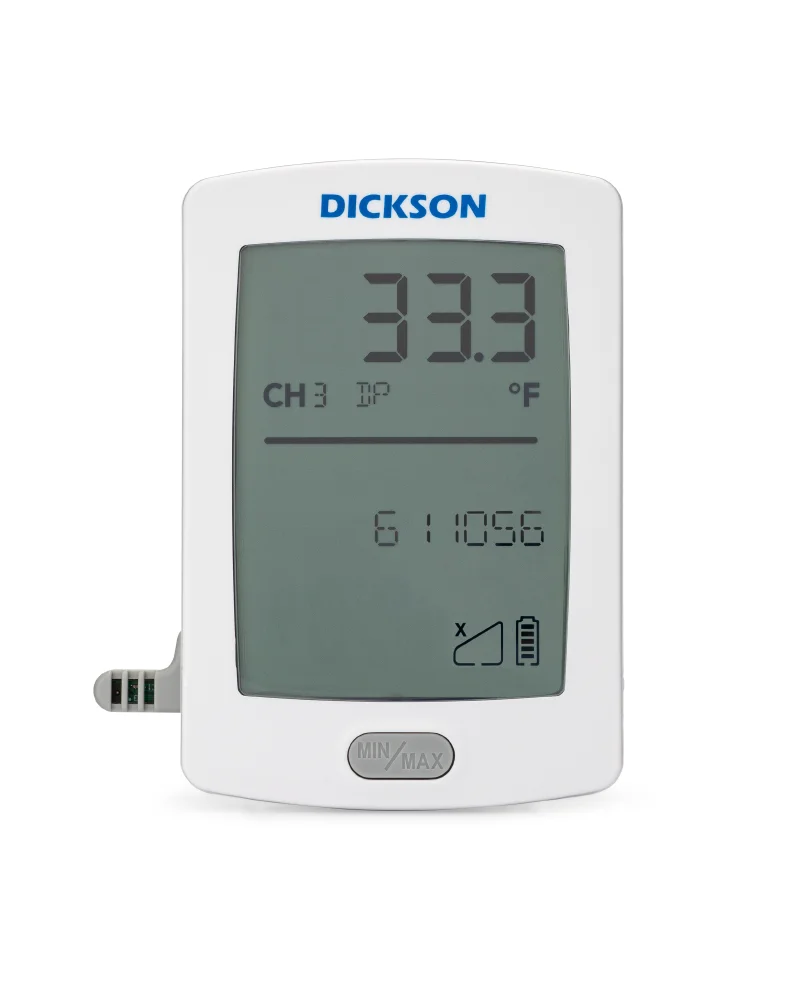
Environmental monitoring equipment
Review calibration needs for the temperature and humidity instruments used to monitor storage areas. Match measurement points with the conditions your team relies on when reviewing records and environmental alerts.
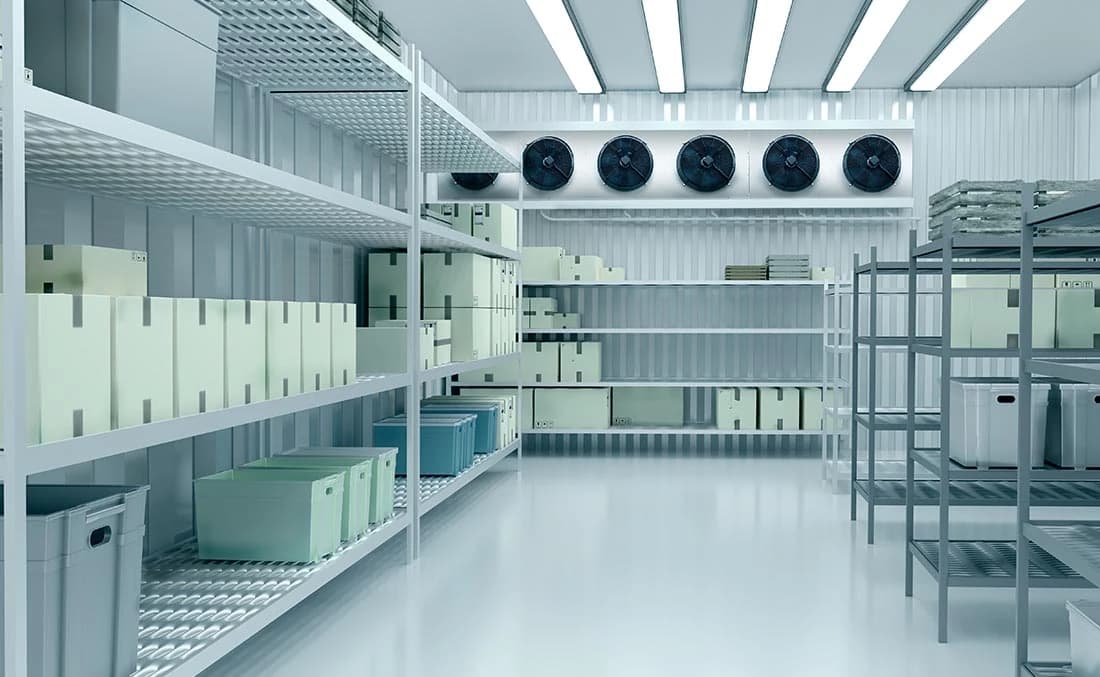
Cold room & storage measurements
Discuss instruments used to measure conditions in cold rooms, chiller rooms, refrigerators, and freezers. The required ranges and points should reflect the relevant storage conditions and the equipment being assessed.
Mapping & assessment instruments
Consider the measurement equipment used in environmental studies and qualification activities. Instrument identification and applicable calibration records help connect collected readings with the equipment used for the assessment.
Our approach
Agree the scope. Review the evidence.
A clear calibration request connects the instrument and its operating conditions with the measurements and documentation your team needs.
Identify the equipment
Share instrument makes, models, serial numbers, sensor details, and quantities. Include previous calibration records where available and explain how the equipment is used.
Confirm the requirements
Agree the parameters, ranges, calibration points, and documentation needed. Confirm instrument suitability, applicable accredited coverage, and service arrangements before proceeding.
Complete the calibration
Carry out the calibration within the confirmed scope and document the relevant instrument and measurement results. Any additional work is considered against the agreed requirements.
Review & plan follow-up
Review the results with your measurement needs and quality procedures. Discuss any further assessment required and record your next calibration review within the equipment management plan.

Records for your quality system
Keep measurement evidence connected.
Calibration documentation links the identified equipment with the agreed measurement points and recorded results. It gives your team information to review when deciding whether an instrument remains suitable for its intended use and when maintaining the associated equipment records.
Celsius connects calibration services with thermal mapping, qualification, and continuous environmental monitoring. Reviewing measurement equipment alongside these activities helps your team maintain a clearer record of the instruments used to assess and oversee controlled storage conditions.
- Identification of the equipment included in the agreed service
- Documentation of the calibration points and recorded results
- Applicable accreditation coverage confirmed for the request
- Information to support equipment review and follow-up decisions
A few useful answers
Your questions. Answered.
A few useful things to know before discussing your requirements with our team.
Is every instrument and measurement range covered by accreditation?
Accredited coverage must be confirmed for the particular instrument, parameter, range, and calibration points requested. Share your equipment details and measurement requirements so Celsius can confirm the applicable scope of the ISO/IEC 17025 EIAC Accredited Calibration services before you proceed.
How often should our equipment be calibrated?
The interval should reflect your equipment, its use, manufacturer guidance, previous results, and applicable quality procedures. Share your current calibration schedule and any measurement concerns with our team so we can discuss the service requirements within your equipment management approach.
What information is needed for a calibration enquiry?
Provide the instrument make, model, serial number, sensor details, quantity, and the temperature or humidity ranges and points required. Previous calibration records, intended use, documentation requirements, and preferred service arrangements help us confirm suitability and the scope for your request.