Industrial & manufacturing
Industrial & manufacturing
Understand the environment. Support your operation.
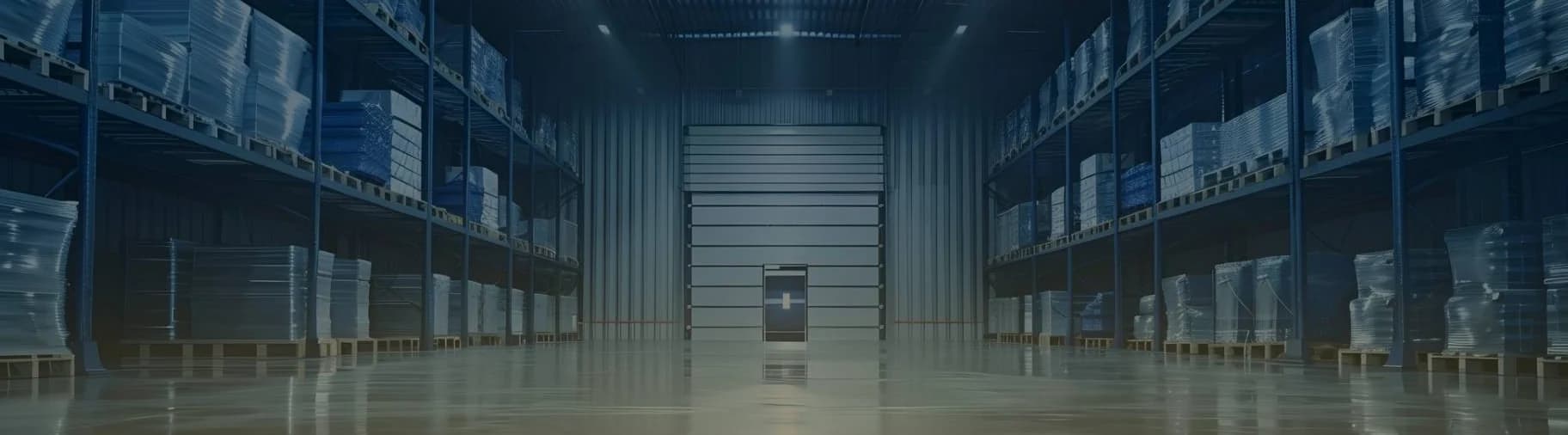
Materials, stored products, and production activities can have different temperature and humidity requirements. The conditions in each area need to be considered alongside its layout, equipment, and daily use so your team can decide where environmental control and monitoring are needed.
Celsius Smart Technical Services LLC supports industrial and manufacturing environments in the UAE with dehumidification, HVAC installation and maintenance, thermal mapping, and continuous temperature and humidity monitoring. We bring the relevant services together around the storage areas and controlled spaces your operation uses.
- Humidity control for materials & controlled spaces
- HVAC servicing & annual maintenance contracts
- Environmental mapping & continuous monitoring
Environmental priorities
Define the conditions. Coordinate the support.
We work with your facilities and operations teams to understand which areas need controlled conditions and how existing systems support them. Product and material requirements, operating patterns, and available environmental records inform the agreed technical work.
Relevant humidity control
Review the requirements of moisture-sensitive materials and processes when planning dehumidification, taking account of the space and its existing refrigeration or HVAC systems.
Equipment care
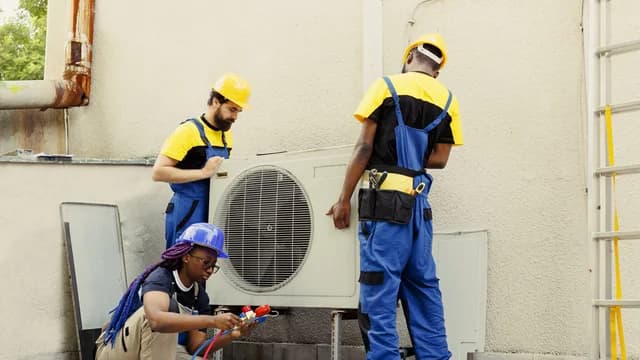
Plan HVAC servicing and maintenance around the installed equipment, known operating concerns, and site access. Agree the equipment covered and activities included in the maintenance scope.
Conditions your team can review
Use environmental studies and ongoing readings to understand variation across working and storage areas, then review the findings against the conditions established for their intended use.
Where we can help
Support for the spaces around your materials and processes.
The scope reflects the individual area and its environmental requirements, from material storage and production spaces to dedicated refrigerated rooms.

Materials & finished-goods storage
Understand the conditions around stored materials and products through thermal mapping and ongoing monitoring. Where humidity control is required, discuss dehumidification alongside the layout, handling patterns, and stated storage requirements.
Production & controlled working areas
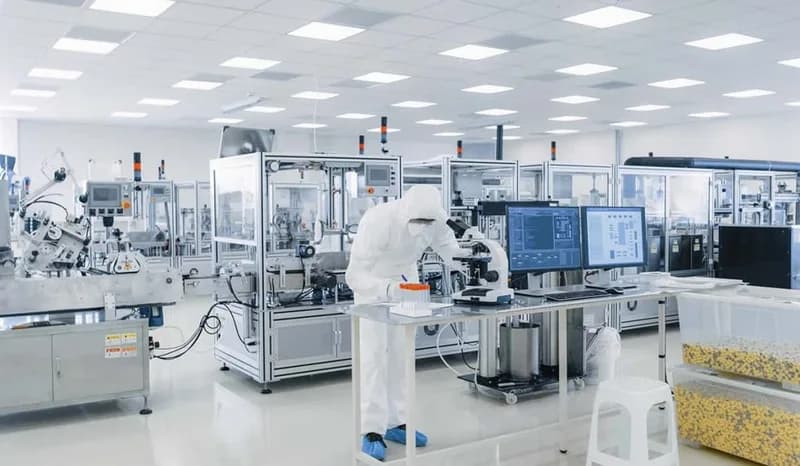
Plan environmental support for areas with defined temperature or humidity requirements. Coordinate dehumidification, HVAC maintenance, and monitoring with your team, using the intended activity and existing systems to establish the relevant service scope.
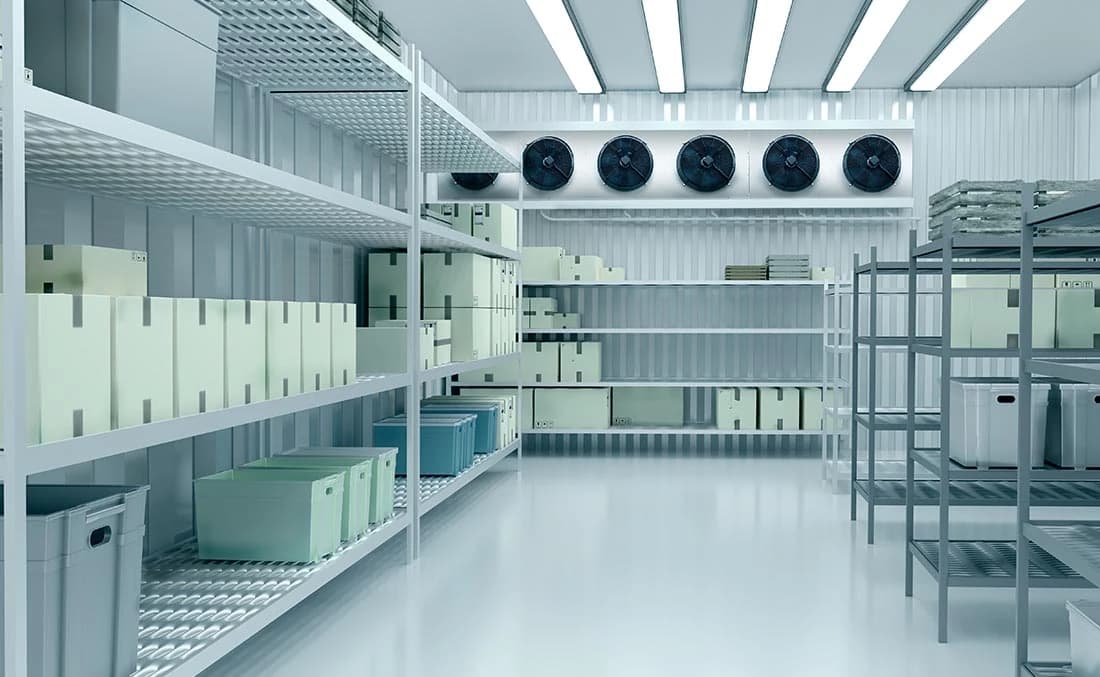
Cold & chiller rooms
Bring refrigeration design, installation, commissioning, and maintenance together where materials or products need refrigerated storage. Qualification, thermal mapping, and monitoring can be included according to the room requirements and intended use.
Connected technical services
Address individual needs or coordinate a wider project.
Combine the services relevant to your environment, with clear requirements for each system, assessment, and maintenance activity.
Dehumidification services
Plan humidity control using Munters dehumidification systems from Sweden. The installation is agreed around your material and process requirements and the environment in which the system will operate.
Explore dehumidificationHVAC annual maintenance
Support installed cooling and ventilation equipment through HVAC design, installation, repair, and annual maintenance contracts, with planned work defined around the facility and its equipment.
Explore HVAC maintenanceThermal mapping & qualification
Assess temperature distribution and stability across defined storage and working areas. Agree the study conditions and any relevant qualification activities against the environment and its intended use.
Explore mappingReal-time environmental monitoring
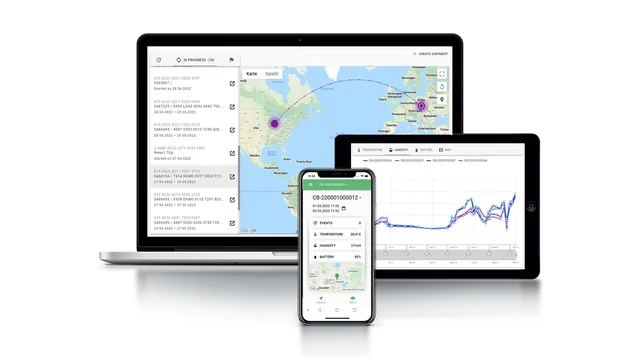
Track temperature and humidity with solutions including DicksonOne. Environmental records and email, SMS, or telephone alerts, subject to configuration, help responsible teams review changing conditions.
Explore monitoring
Working with your facility team
Connect the requirements with daily oversight.
Start with the areas you need to control, the products or materials they contain, and the conditions your operation requires. Existing equipment information, available readings, and known concerns help us agree whether the project calls for installation, maintenance, an environmental study, or a combination of services.
Mapping and monitoring provide information your team can use when reviewing the environment. Connecting those findings with dehumidification and HVAC planning helps facilities and operations teams coordinate follow-up work as layouts, storage arrangements, or operating requirements change.
- Define the intended use and required environmental conditions
- Review existing systems, site access, and service priorities
- Agree the assessment, maintenance, and monitoring scope
A few useful answers
Your industry. Your questions.
Understand how the right combination of services can support your operation.
How do you plan humidity control for an industrial area?
Your team establishes the humidity conditions required by the materials, products, or processes using the area. Celsius reviews those requirements alongside the temperature, layout, existing systems, and operating patterns before agreeing the relevant Munters dehumidification equipment and installation scope.
Can Celsius support an existing industrial facility?
Yes. We can discuss HVAC servicing and annual maintenance, dehumidification, environmental studies, and monitoring for existing facilities. Share the equipment details, available service history, current concerns, and any planned changes so the proposed work can be defined around your site.
How do mapping and monitoring support production and storage areas?
Thermal mapping assesses temperature distribution and stability under agreed study conditions and helps identify suitable monitoring locations. Continuous temperature and humidity monitoring provides readings during daily operation. Your team uses that information to review conditions against the requirements established for each area and investigate changes that need attention.