

Cold chain logistics
Cold chain logistics
Understand the storage conditions. Keep useful environmental records.
Cold chain logistics teams need to understand the conditions around sensitive goods while they are stored and handled. Refrigeration performance, temperature and humidity readings, and records available at handovers all contribute to reviewing the environment products have experienced.
Celsius Smart Technical Services LLC provides technical support for the controlled storage and handling facilities used within the cold chain. We connect refrigeration, qualification, thermal mapping, calibration, and environmental monitoring with data logging products to suit the requirements your team needs to assess.
- Technical support for controlled storage & handling
- Qualification, mapping & environmental monitoring
- Data logging products for temperature & humidity records
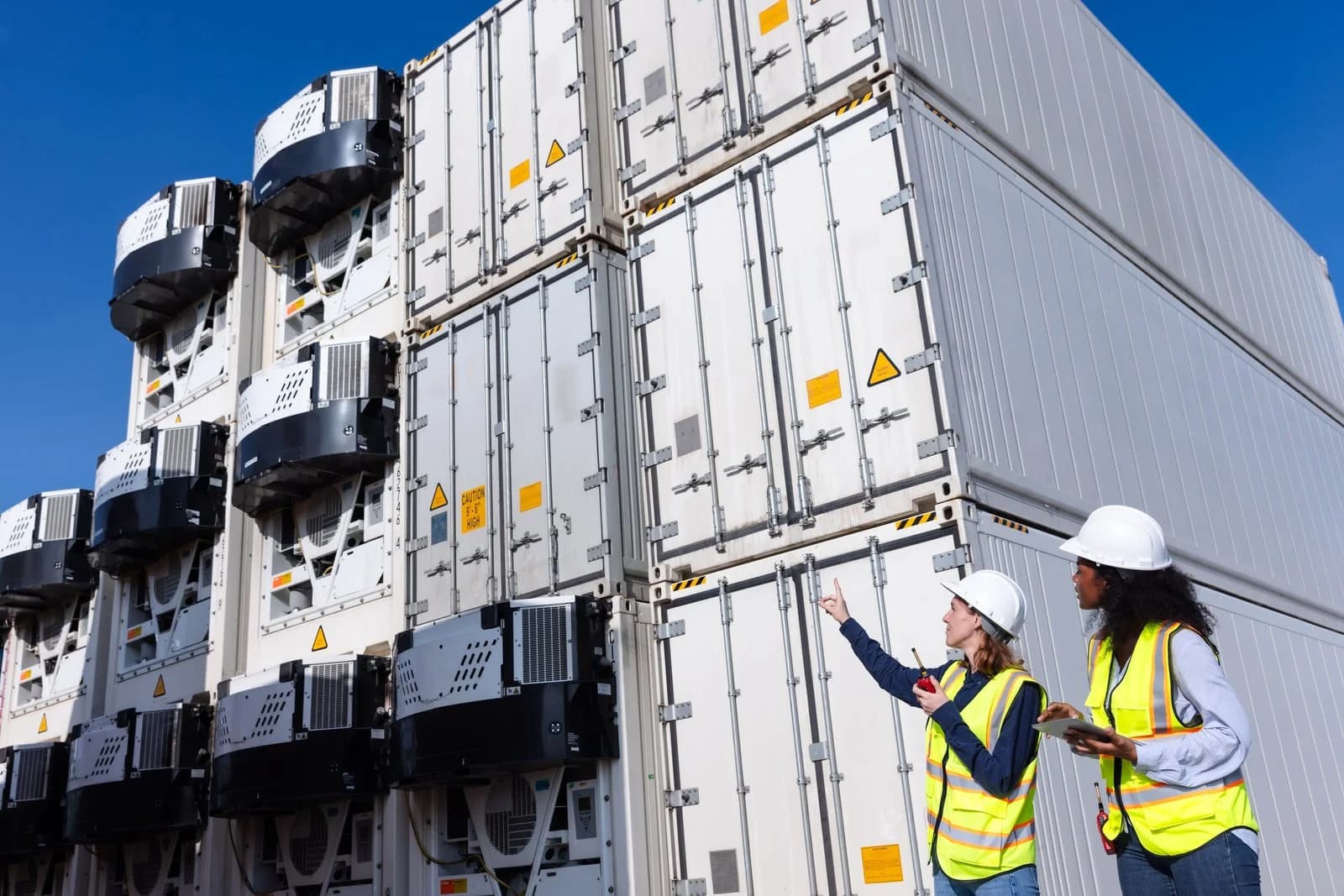

Conditions and handover records
Connect the facility with the evidence you review.
We work with your storage, facilities, and quality teams to establish the relevant conditions and technical scope. Your product requirements, handling activities, equipment, and record needs guide the refrigeration, assessment, and monitoring services selected for the facility.
Suitable storage conditions
Relate the refrigeration and controlled storage arrangement to the goods being handled, their required conditions, and the intended use of each facility area.
Visibility during daily activity
Use qualification and thermal mapping to assess the agreed storage environment, then select routine monitoring locations based on the findings and operating requirements.
Records for review and handover
Discuss the temperature and humidity information your team needs to retain and review. Choose monitoring or data logging products around the application and required record format.
Where we can help
Technical support around the spaces your goods pass through.
Focus the project on the controlled storage equipment, handling areas, and environmental records your operation uses. The requirements and scope are established for each application.
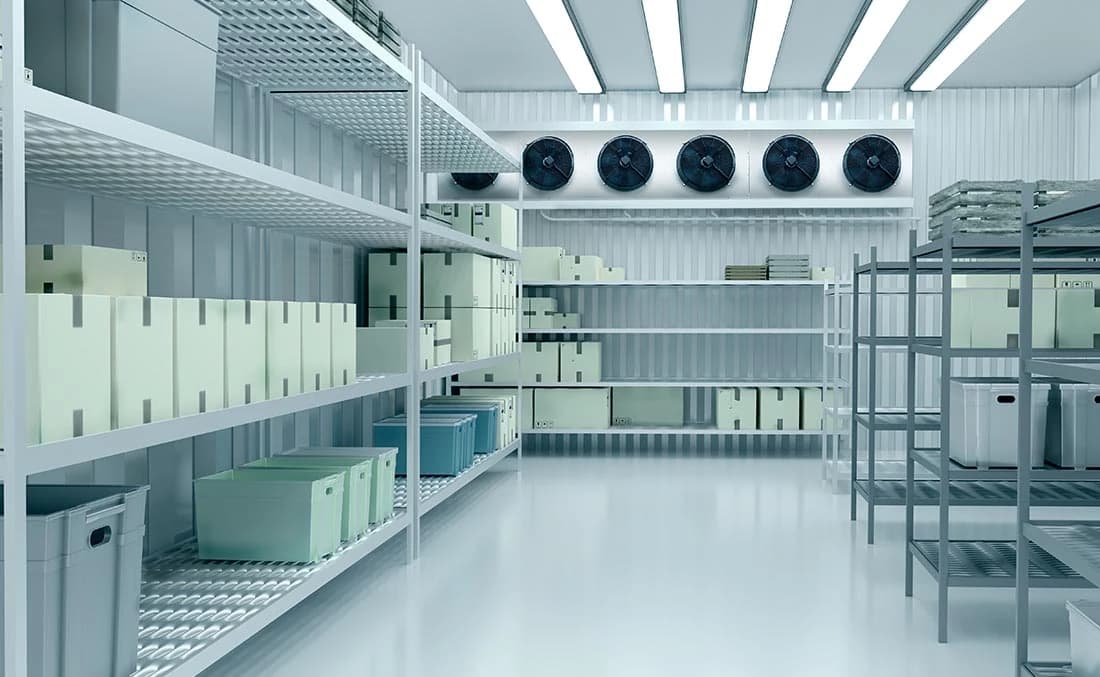
Cold rooms & distribution storage
Support the refrigerated spaces used to hold temperature-sensitive products before onward movement. Connect refrigeration design, installation, commissioning, and maintenance with qualification and mapping for the intended storage use.
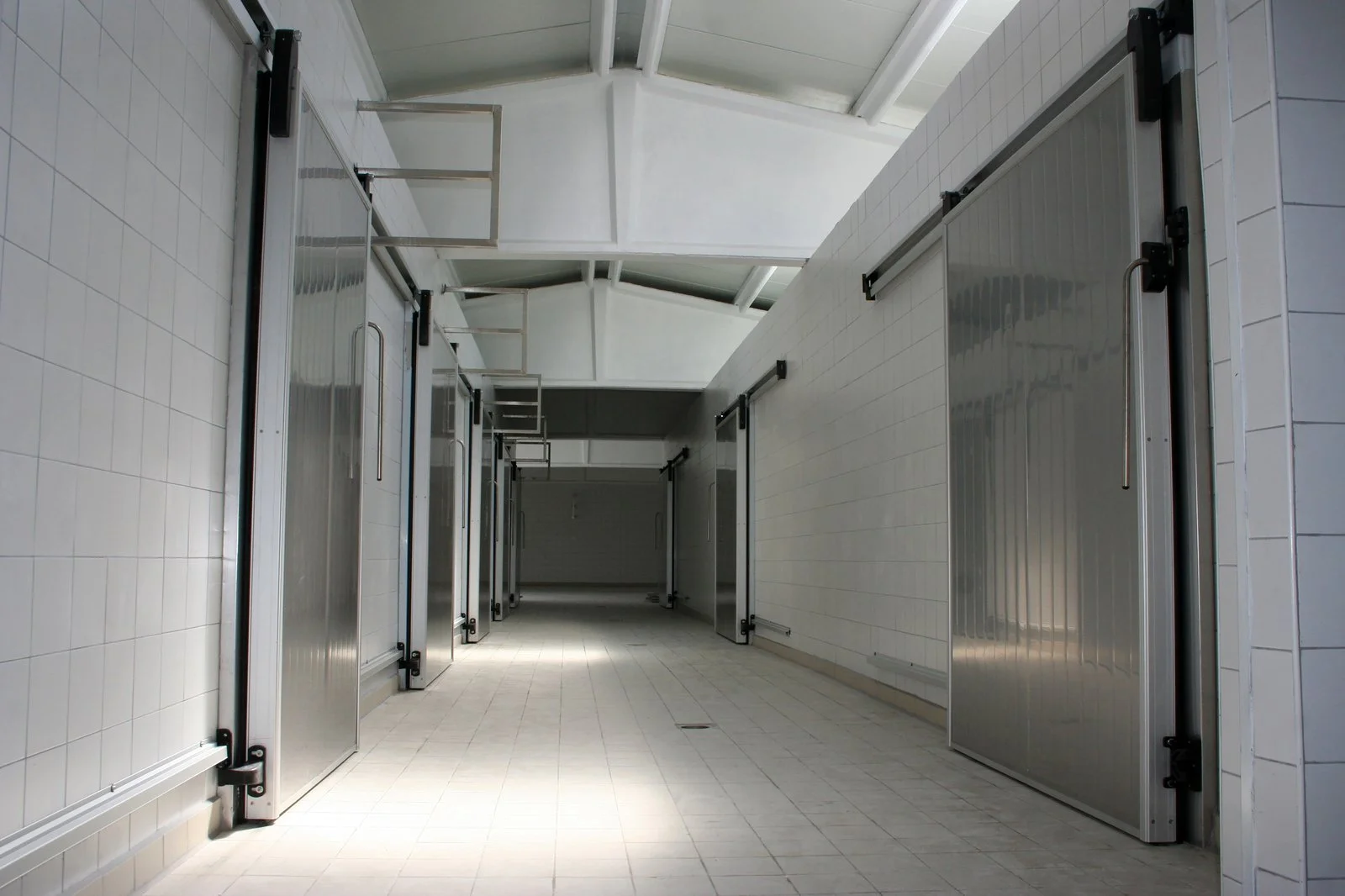
Receiving & dispatch handling areas
Review the controlled facility areas used around receiving and dispatch. Discuss how products are held and handled, the required conditions, and the environmental information needed to support your team’s review at handovers.
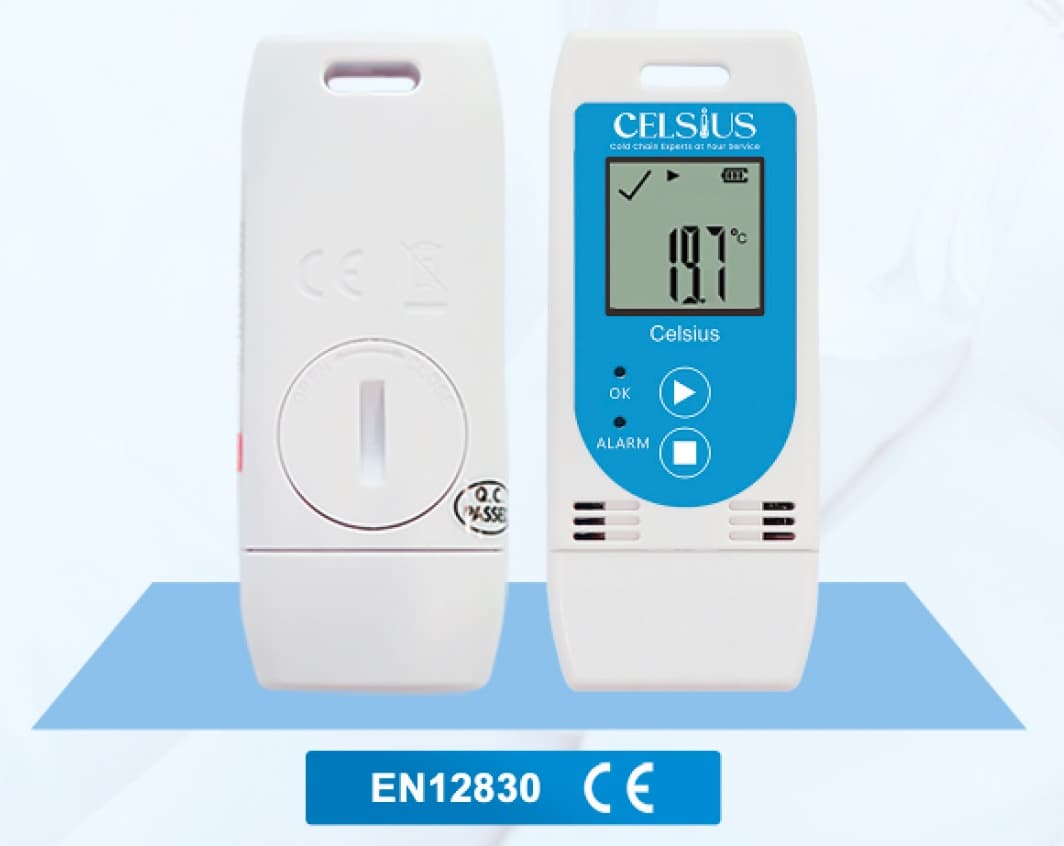
Data logging & record review
Select recording equipment for the conditions and application you need to document. The Celsius USB Temperature & Humidity Data Logger provides local LCD status information and automatic PDF and CSV reports when connected to a PC.
Connected technical services
Support storage performance and environmental oversight.
Choose the services needed for the controlled environments within your operation. Celsius coordinates equipment, assessment, and monitoring around the agreed facility requirements.
Integrated refrigeration solutions
Bring refrigeration, humidity control, qualification, mapping, and monitoring together around the storage facilities and product conditions your team needs to manage.
Explore refrigerationThermal mapping & qualification
Assess temperature distribution, stability, and system performance within the agreed storage area. Use the findings to discuss variations and suitable routine monitoring locations.
Explore mappingReal-time environmental monitoring
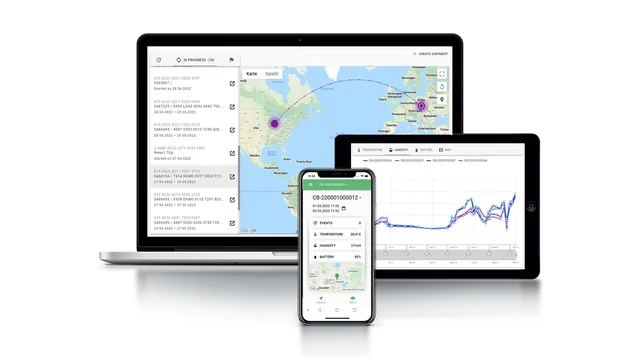
Track temperature and humidity in controlled storage spaces using solutions including DicksonOne, with email, SMS, and telephone alerts subject to the selected configuration.
Explore monitoringCalibration services
Discuss calibration for the temperature and humidity instruments used to review conditions. Equipment details and measurement requirements help establish the relevant scope.
Explore calibration
Records your team can use
Plan the measurements around the decisions ahead.
Share the facility layout, product conditions, storage and handling activities, and the environmental records your team needs to review. For data logging enquiries, explain where the device will be used, what needs to be recorded, and the required intervals, alarm settings, and report format.
Continuous facility monitoring and a USB data logger provide different ways to obtain environmental information. Monitoring can provide configured notifications during operation, while the Celsius USB logger makes recorded data available as PDF and CSV files when connected to a PC. We help you review the equipment and configuration for the intended application.
- Define the facility areas, product conditions, and record needs
- Match monitoring or recording equipment to its intended application
- Review configuration, report access, and your team’s response procedures
A few useful answers
Your industry. Your questions.
Understand how the right combination of services can support your operation.
Which parts of a logistics operation can Celsius support?
Celsius provides technical services for controlled storage and handling environments, including refrigeration, qualification, thermal mapping, calibration, and monitoring. We also supply data logging products. Share the facility areas and environmental requirements you need to assess so we can establish the relevant service or equipment scope.
Can a data logger provide records for our team to review at handover?
A suitable logger can record temperature and humidity for later review. The Celsius USB Temperature & Humidity Data Logger automatically generates PDF and CSV files when connected to a PC. Its recording intervals, alarm settings, and delays can be configured for the intended application; confirm these settings before recording.
How do facility monitoring and USB data logging differ?
Continuous facility monitoring tracks conditions at selected locations and can provide alerts subject to the system configuration. The Celsius USB logger records data locally and provides reports when connected to a PC. The appropriate choice depends on where readings are needed, how quickly your team needs to review them, and the records required.