
Why refrigeration performance, environmental records, and technical support matter to temperature-sensitive supply chains.
Temperature-sensitive supply chains rely on people being able to understand the conditions around their products. A storage installation, a shipment record, and a receiving check each contribute different information. Trust grows when requirements are clear, equipment is assessed for its use, and the relevant records reach the people responsible for reviewing them. Technical coordination helps connect those parts of the operation.
Begin with the product and its required conditions
The starting point is the product requirement, rather than a standard temperature setting applied to every consignment. Pharmaceutical products, food commodities, and life sciences materials can have different storage and handling needs. Your team establishes the relevant conditions and the procedures used to assess them.
Those requirements need to remain clear as goods move between activities and responsible teams. Identify the storage environments involved, the information needed at each handover, and the people who will review a reading or investigate a reported change.
Plan the storage environment around daily operation
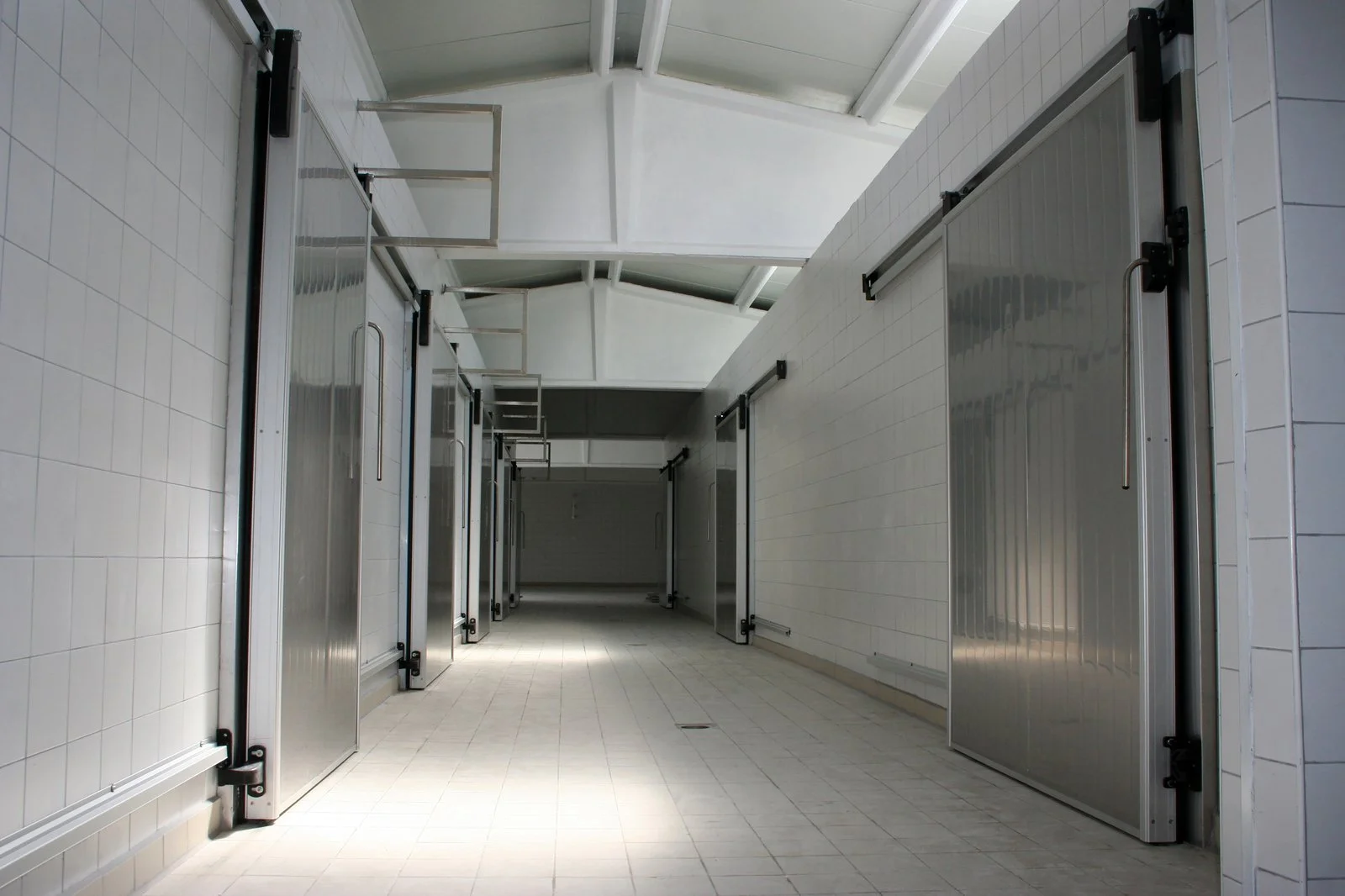
Cold and chiller rooms need to support both the products inside them and the way the facility works. Capacity, layout, access, and product movement all inform room and refrigeration planning. Existing equipment and service records also matter when the project concerns an environment already in use.
Celsius Smart Technical Services LLC provides refrigeration design, supply, installation, commissioning, and maintenance. Where humidity control is required, dehumidification can be considered alongside these activities so the installation scope reflects the complete set of environmental requirements.
Use assessment to understand system performance
Qualification and thermal mapping give teams evidence about the system and the conditions within a defined space. The required activities depend on the equipment, intended use, and project requirements. Findings should be connected with the locations and operating conditions included in the assessment.
- Installation Qualification reviews installation against approved specifications and requirements.
- Operational Qualification reviews operation under defined conditions.
- Performance Qualification evaluates performance under actual or representative operating conditions.
- Thermal mapping assesses temperature distribution and stability and helps inform monitoring locations.
Choose records that fit the activity
A defined study, a shipment logger, and continuous facility monitoring answer different questions. Decide what needs to be measured, where the device will be placed, how long information is needed, and how the responsible person will retrieve and review it. Device capabilities and configuration should be confirmed for the application.
Continuous temperature and humidity monitoring can provide routine storage records and configured alerts. Celsius offers solutions including DicksonOne, with email, SMS, and telephone options subject to the selected configuration. The team’s own procedures establish how notifications are reviewed and acted on.
Make the information useful at handover
A record is easier to review when the receiving team knows which goods, device, location, and period it describes. Agree how this information will accompany the operational handover and where completed records will be kept. The review should fit the relevant product and quality procedures.
- Connect the device or monitoring location with the relevant product or consignment reference.
- Identify the recording period and the configured limits used.
- Confirm who retrieves the record and who reviews it.
- Set out how reported changes are escalated under your procedures.
Review environmental changes with the available context
An alert or unusual reading starts a review; it does not, by itself, explain the cause or determine the product decision. The record, operating activity, equipment condition, and relevant requirements help responsible teams consider what happened and what information is still needed.
Technical follow-up may involve checking refrigeration equipment, reviewing a monitoring configuration, or considering further assessment. Calibration requirements for the measurement instruments can also be reviewed. The appropriate response depends on the finding and the responsibilities established within the operation.
Coordinate technical support around the operation
Installation, assessment, maintenance, and monitoring are more useful when they address a common set of requirements. A coordinated scope helps facilities and quality teams understand how the work fits together and which records or follow-up decisions each activity is intended to support.
Celsius brings refrigeration, dehumidification, qualification, thermal mapping, calibration, and environmental monitoring together around controlled storage and handling facilities. Share your environments, product conditions, existing records, and current concerns to discuss the technical services relevant to your part of the supply chain.
Key takeaway
Confidence in a temperature-sensitive supply chain grows from clear requirements, suitable equipment, relevant evidence, and defined review responsibilities. Connecting technical support with the information needed at each handover helps teams understand conditions and make informed operational decisions.