

A practical look at refrigeration and monitoring solutions that support product quality in pharmaceutical, food and life sciences environments.
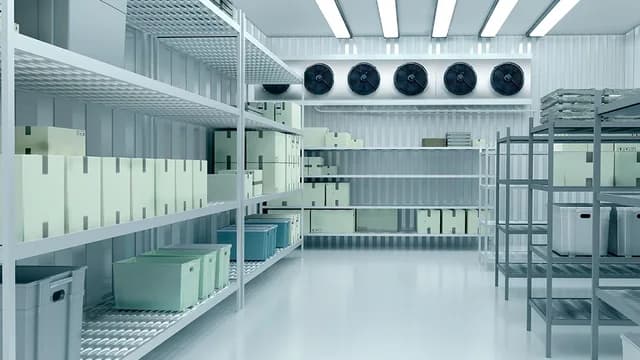
Choosing technical support for a temperature-controlled environment starts with understanding the work your operation needs. A refrigeration installation, thermal mapping study, and monitoring system each answer different questions. A useful comparison connects the proposed services with your products, facility, and evidence requirements, giving your team a clear basis for discussing the scope and reviewing the completed work.
Start with the conditions your products require
Establish the required storage conditions before comparing equipment or services. Your quality and operations teams should identify the product requirements, intended storage use, and any customer or industry requirements that apply. Different products may need separate consideration within the same facility.
Give the proposed service provider that information together with the quantities stored and expected handling activity. A clear brief helps the discussion move towards the refrigeration, humidity control, assessment, and monitoring relevant to the actual operation.
Describe the space and how it is used
A floor plan becomes more useful when it explains what happens in each area. Identify the available footprint, room access, storage layout, existing equipment, and locations where goods are received or handled. Include planned changes that could affect the installation or assessment.
Share existing environmental readings, service records, and known concerns where available. This gives the technical team context for its proposal and helps facilities staff discuss access, installation arrangements, and work around day-to-day activity.
Compare proposals against the same technical scope
A service title alone does not explain the work included. Ask each provider to describe its activities against the same brief, then compare the equipment, assessment, documentation, and ongoing support proposed. Check how related activities will be coordinated.
- For refrigeration, identify the design, supply, installation, commissioning, and maintenance activities included.
- For qualification and mapping, define the system, study conditions, assessment activities, and requirements to be reviewed.
- For monitoring, establish the measurement points, sensors, account setup, records, and notification arrangements.
- For humidity control and calibration, confirm the equipment or instruments covered and the relevant service requirements.
Agree what evidence the work should provide
Equipment installation and environmental assessment provide different records. Where qualification is included, agree the relevant installation, operational, and performance activities. For thermal mapping, discuss how the study will assess temperature distribution and stability across the defined environment.
Ask what documentation your team will receive and how observations will be explained against the agreed requirements. The findings should support practical decisions about the environment, including monitoring locations and any areas requiring follow-up attention.
Make monitoring useful in daily operation
Monitoring needs a plan for reviewing readings as well as a set of devices. Define the required measurements, locations, user access, and records. Identify who will receive notifications and how the responsible team will review and respond to changes.
Celsius provides continuous temperature and humidity monitoring, including solutions such as DicksonOne. Email, SMS, and telephone alerts depend on the selected configuration. Confirm the proposed hardware, connectivity, subscription, and alert settings together so the monitoring arrangement reflects your facility and responsibilities.
Read the proposal beyond the equipment list
A reviewable proposal connects each service with an agreed activity or outcome for the project. Clarify the practical arrangements before work begins, especially where several teams or existing systems are involved.
- Check the equipment, spaces, and activities covered by the quoted scope.
- Confirm site preparation, utilities, access, and the information your team needs to provide.
- Identify the commissioning, assessment, and documentation included in the work.
- Review monitoring subscriptions, optional features, and any separate service arrangements.
- Agree how additional repairs, changes, and follow-up requirements will be discussed.
Plan the handover and ongoing support
Before handover, review the completed installation, agreed records, settings, and outstanding observations with the relevant facility and quality teams. Establish how monitoring records will be reviewed and what maintenance arrangements apply to the equipment.
Celsius Smart Technical Services LLC brings refrigeration, dehumidification, qualification, thermal mapping, calibration, and monitoring together around customer requirements. Share the intended storage use and existing systems to discuss the relevant services. A clear scope and documented responsibilities provide a useful basis for managing the environment as the operation develops.
Key takeaway
A useful service comparison starts with product and facility requirements, then examines the proposed technical work, evidence, and ongoing responsibilities. Agree those details before work begins so your team can review the installation, understand the findings, and plan daily environmental oversight.